类别

我们如何为您提供帮助
您可以通过任何便捷的方式联系我们。我们提供7×24小时全天候电子邮件或电话服务。.
新产品
双极髋臼杯系统
陶瓷内衬系统
Mfumo wa Kikombe cha Uhamiaji wa Mawasiliano Wa Pamoja
Mfumo wa Kikapu cha Acetabular Usio na Sementi wa Apollo
Anty F Revision Stem

Malaika Bega Badala Ya Mfumo

产品详情

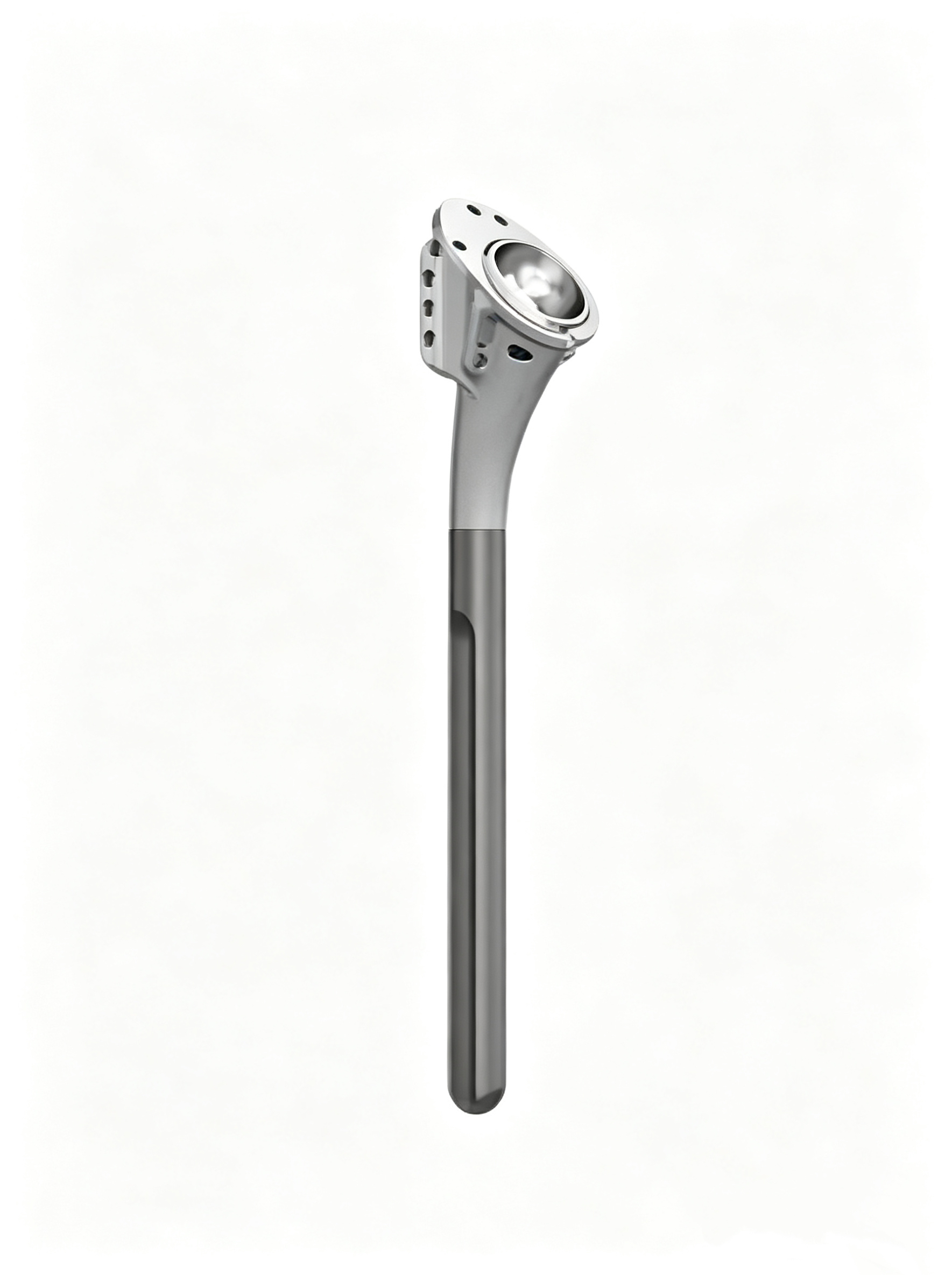
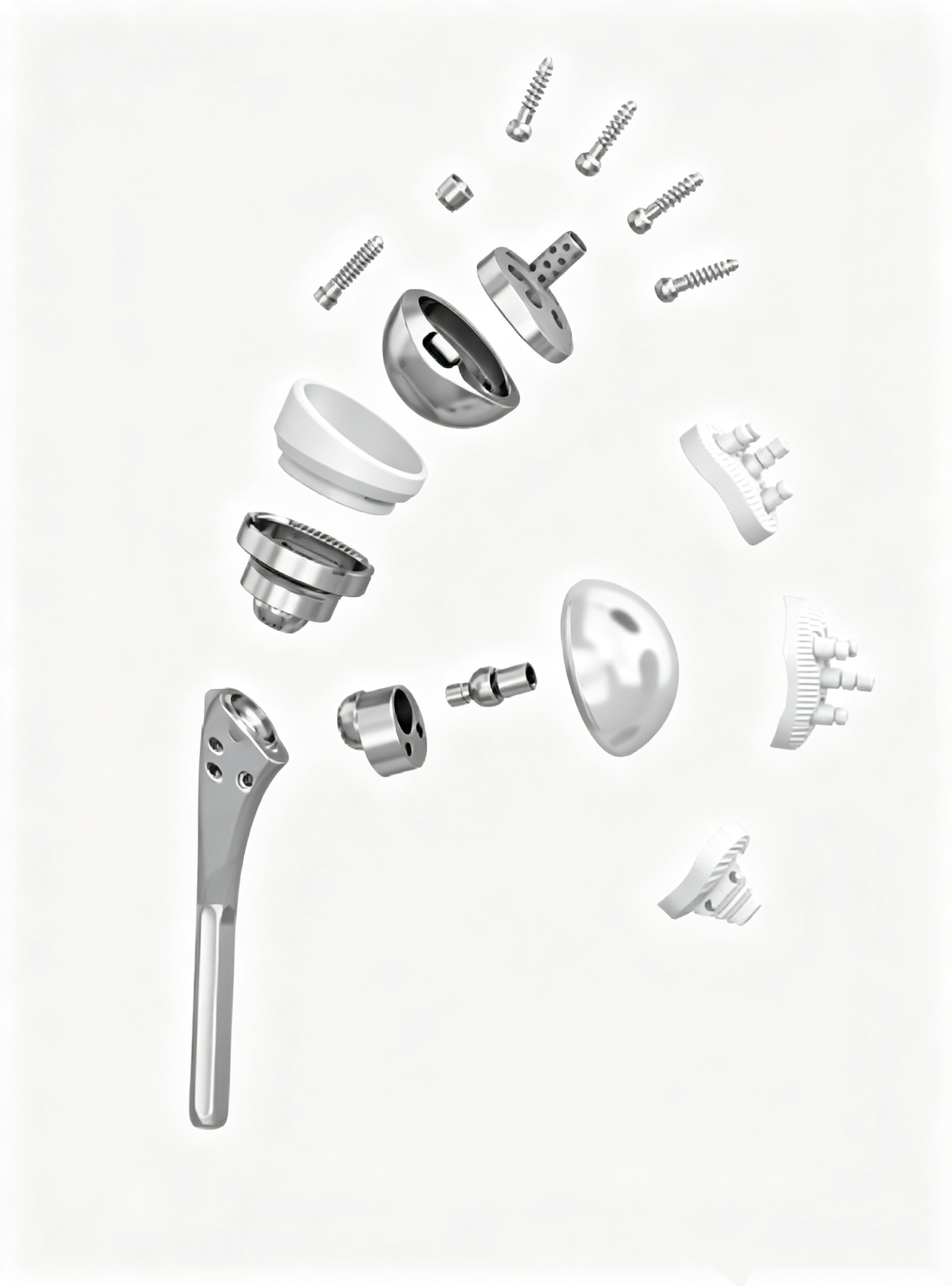
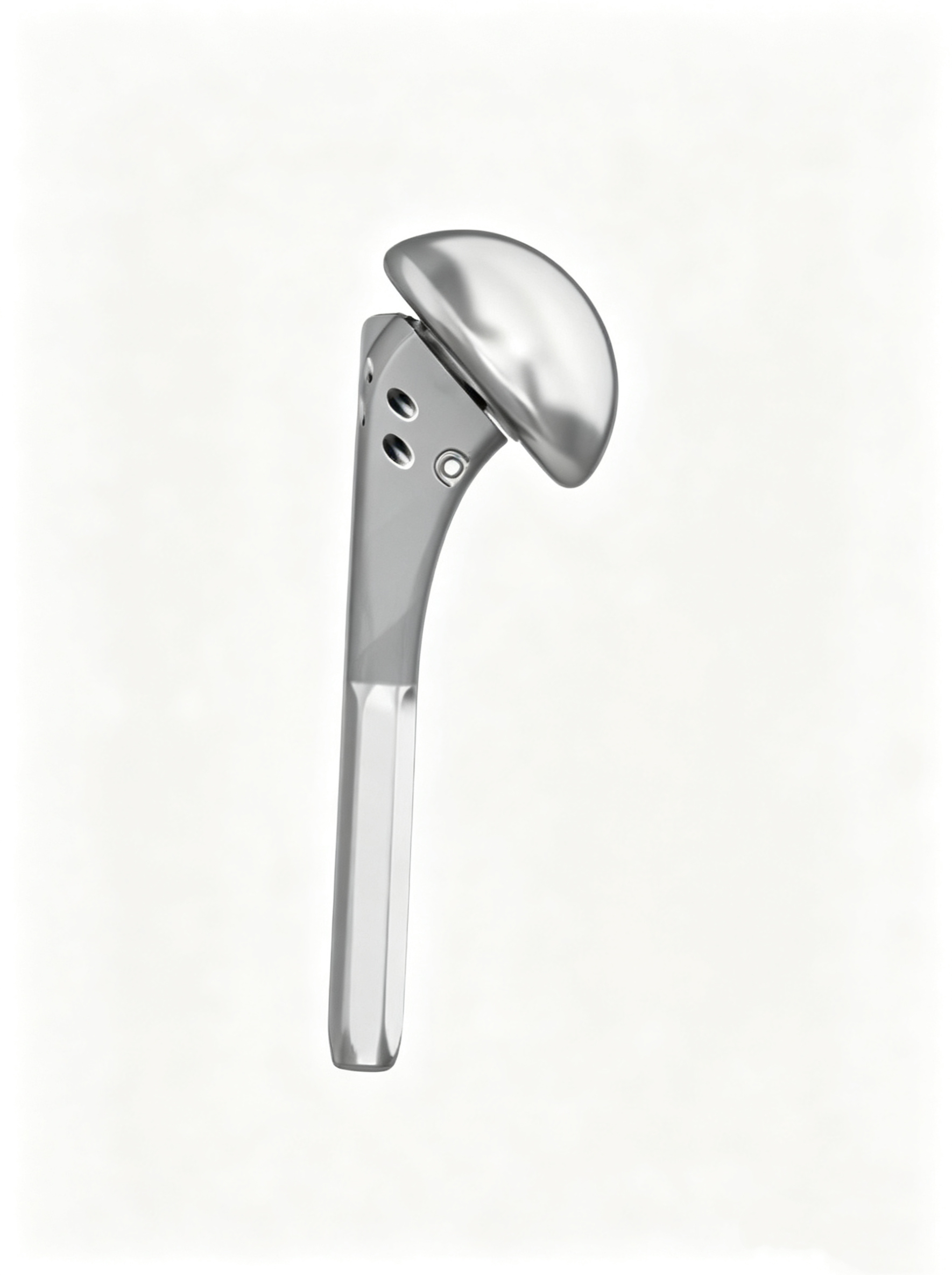
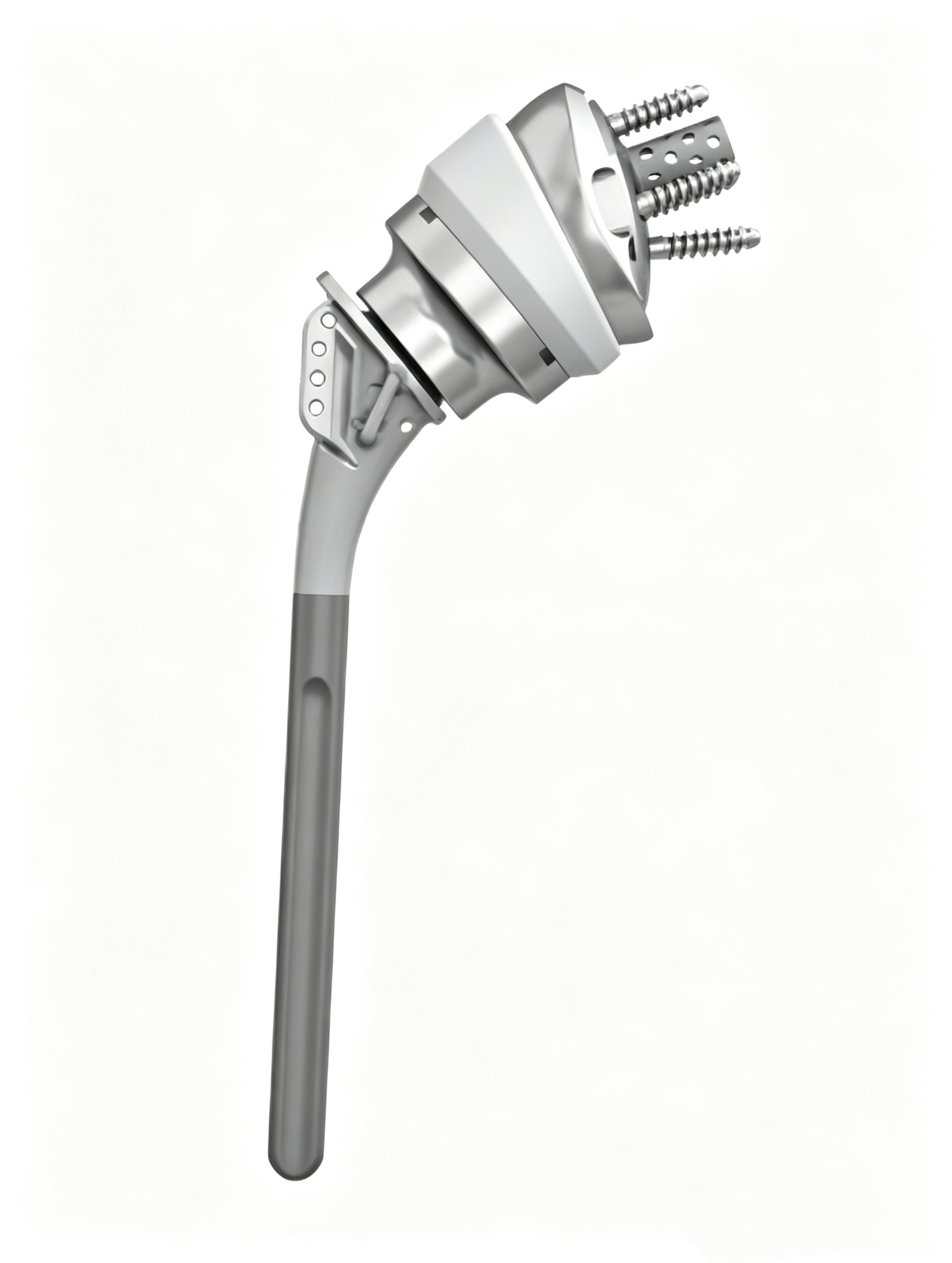
Features of Angel Shoulder Replacement System •The Asymmetrically fratures stem designed anterolateral wing: located at the fracture line, does not affect the reduction of the bone fragments, guides the correct reduction of the bone fragments, supports the large and small tuberosity bone fragments, facilitates the fixation of the bone fragments, guides the installation direction of the prosthesis, and determines the posterior tilt angle of the prosthesis. •The Humeral Stem Platform Design with Spherical ConnectionInterface Enables seamless conversion to anatomic or reverse shoulder akhroplasty without stem removal. Allows intraoperative adjustment of prosthetic anatomical parameters. •The glenoid component features a downward suspension designand a large-diameter glenosphere. •The anatomic replicator allows independent adjustment of thehumeral head inclination by +/-7.5°, resulting in a neck-shaftangle range of 125°-140° and a version range of +/-7.5°. Indication of Angel Shoulder Replacement System •Primary Osteoarthritis (glenohumeral joint) with an intact, functioning rotator cuff. •Rheumatoid Arthritis without significant rotator cuff erosion or deficiency. •Post-Traumatic Arthritis (following previous fracture or dislocation). •Avascular Necrosis (AVN) of the humeral head (e.g., post-Corticosteroid use, sickle cell disease, or trauma). •Failed Hemiarthroplasty (painful previous partial replacement) •Irreparable Rotator Cuff Tear with Pseudoparalysis (inability to lift the arm actively). •Rotator Cuff Tear Arthropathy (arthritis combined with massive cuff tear). •Complex Proximal Humerus Fractures (3-part, 4-part, or fracture-dislocations), especially in elderly patients (>70 years). •Failed Anatomic Total Shoulder (revision surgery due to cuff failure or loosening). •Severe Glenohumeral Arthritis with a Deficient Rotator Cuff.

Features of Angel Shoulder Replacement System •The Asymmetrically fratures stem designed anterolateral wing: located at the fracture line, does not affect the reduction of the bone fragments, guides the correct reduction of the bone fragments, supports the large and small tuberosity bone fragments, facilitates the fixation of the bone fragments, guides the installation direction of the prosthesis, and determines the posterior tilt angle of the prosthesis. •The Humeral Stem Platform Design with Spherical ConnectionInterface Enables seamless conversion to anatomic or reverse shoulder akhroplasty without stem removal. Allows intraoperative adjustment of prosthetic anatomical parameters. •The glenoid component features a downward suspension designand a large-diameter glenosphere. •The anatomic replicator allows independent adjustment of thehumeral head inclination by +/-7.5°, resulting in a neck-shaftangle range of 125°-140° and a version range of +/-7.5°. Indication of Angel Shoulder Replacement System •Primary Osteoarthritis (glenohumeral joint) with an intact, functioning rotator cuff. •Rheumatoid Arthritis without significant rotator cuff erosion or deficiency. •Post-Traumatic Arthritis (following previous fracture or dislocation). •Avascular Necrosis (AVN) of the humeral head (e.g., post-Corticosteroid use, sickle cell disease, or trauma). •Failed Hemiarthroplasty (painful previous partial replacement) •Irreparable Rotator Cuff Tear with Pseudoparalysis (inability to lift the arm actively). •Rotator Cuff Tear Arthropathy (arthritis combined with massive cuff tear). •Complex Proximal Humerus Fractures (3-part, 4-part, or fracture-dislocations), especially in elderly patients (>70 years). •Failed Anatomic Total Shoulder (revision surgery due to cuff failure or loosening). •Severe Glenohumeral Arthritis with a Deficient Rotator Cuff.

Features of Angel Shoulder Replacement System •The Asymmetrically fratures stem designed anterolateral wing: located at the fracture line, does not affect the reduction of the bone fragments, guides the correct reduction of the bone fragments, supports the large and small tuberosity bone fragments, facilitates the fixation of the bone fragments, guides the installation direction of the prosthesis, and determines the posterior tilt angle of the prosthesis. •The Humeral Stem Platform Design with Spherical ConnectionInterface Enables seamless conversion to anatomic or reverse shoulder akhroplasty without stem removal. Allows intraoperative adjustment of prosthetic anatomical parameters. •The glenoid component features a downward suspension designand a large-diameter glenosphere. •The anatomic replicator allows independent adjustment of thehumeral head inclination by +/-7.5°, resulting in a neck-shaftangle range of 125°-140° and a version range of +/-7.5°. Indication of Angel Shoulder Replacement System •Primary Osteoarthritis (glenohumeral joint) with an intact, functioning rotator cuff. •Rheumatoid Arthritis without significant rotator cuff erosion or deficiency. •Post-Traumatic Arthritis (following previous fracture or dislocation). •Avascular Necrosis (AVN) of the humeral head (e.g., post-Corticosteroid use, sickle cell disease, or trauma). •Failed Hemiarthroplasty (painful previous partial replacement) •Irreparable Rotator Cuff Tear with Pseudoparalysis (inability to lift the arm actively). •Rotator Cuff Tear Arthropathy (arthritis combined with massive cuff tear). •Complex Proximal Humerus Fractures (3-part, 4-part, or fracture-dislocations), especially in elderly patients (>70 years). •Failed Anatomic Total Shoulder (revision surgery due to cuff failure or loosening). •Severe Glenohumeral Arthritis with a Deficient Rotator Cuff.

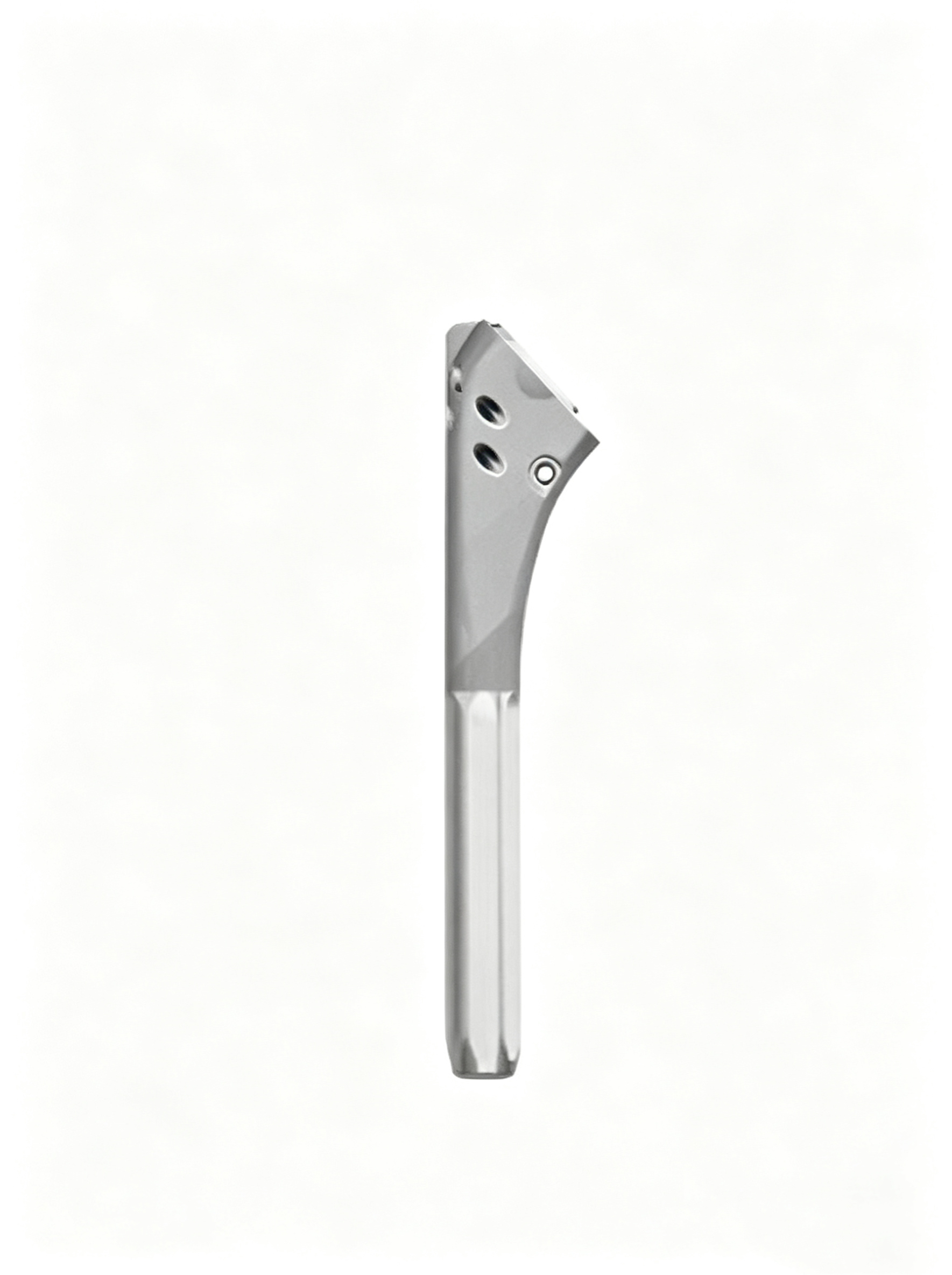
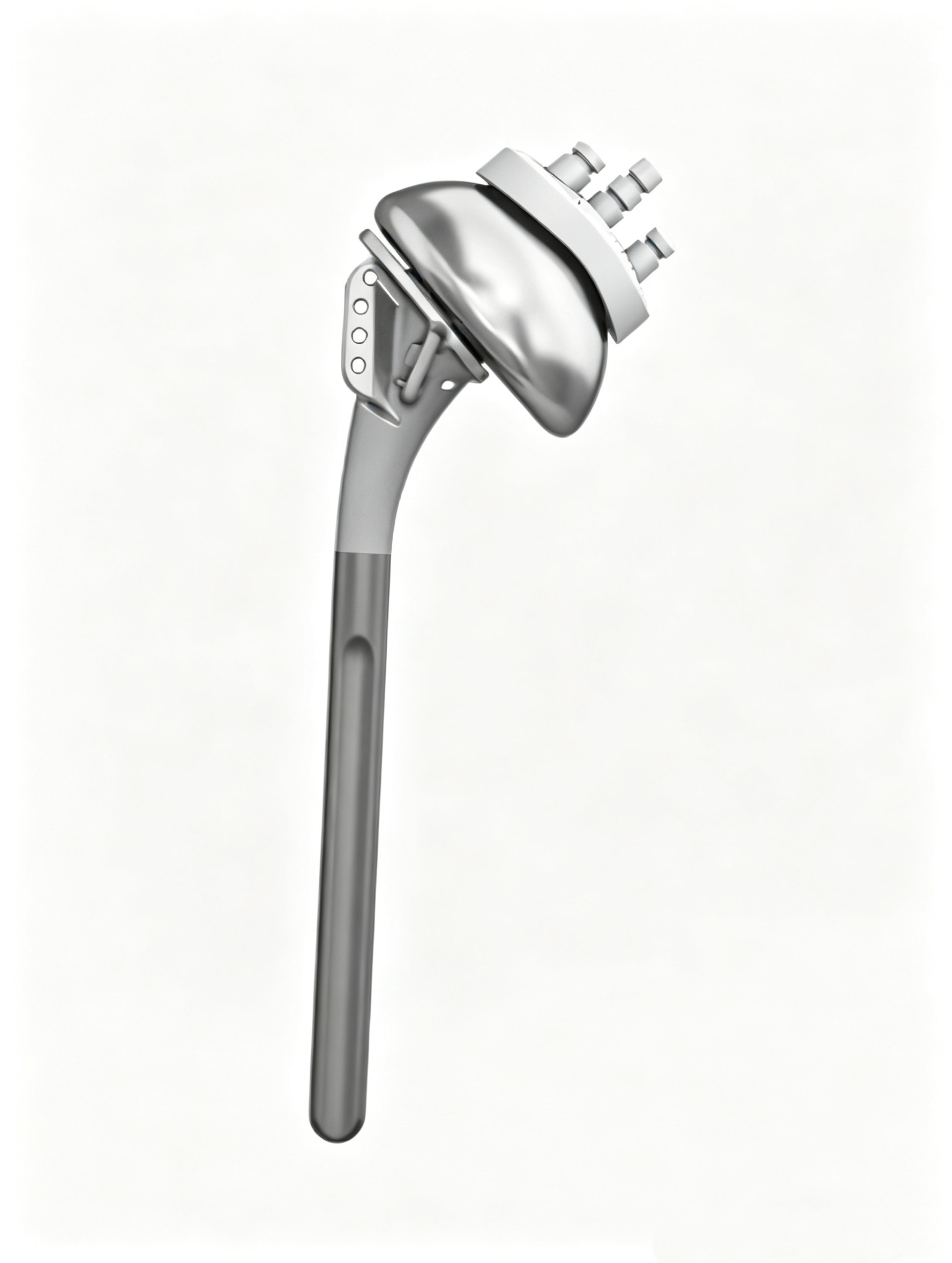
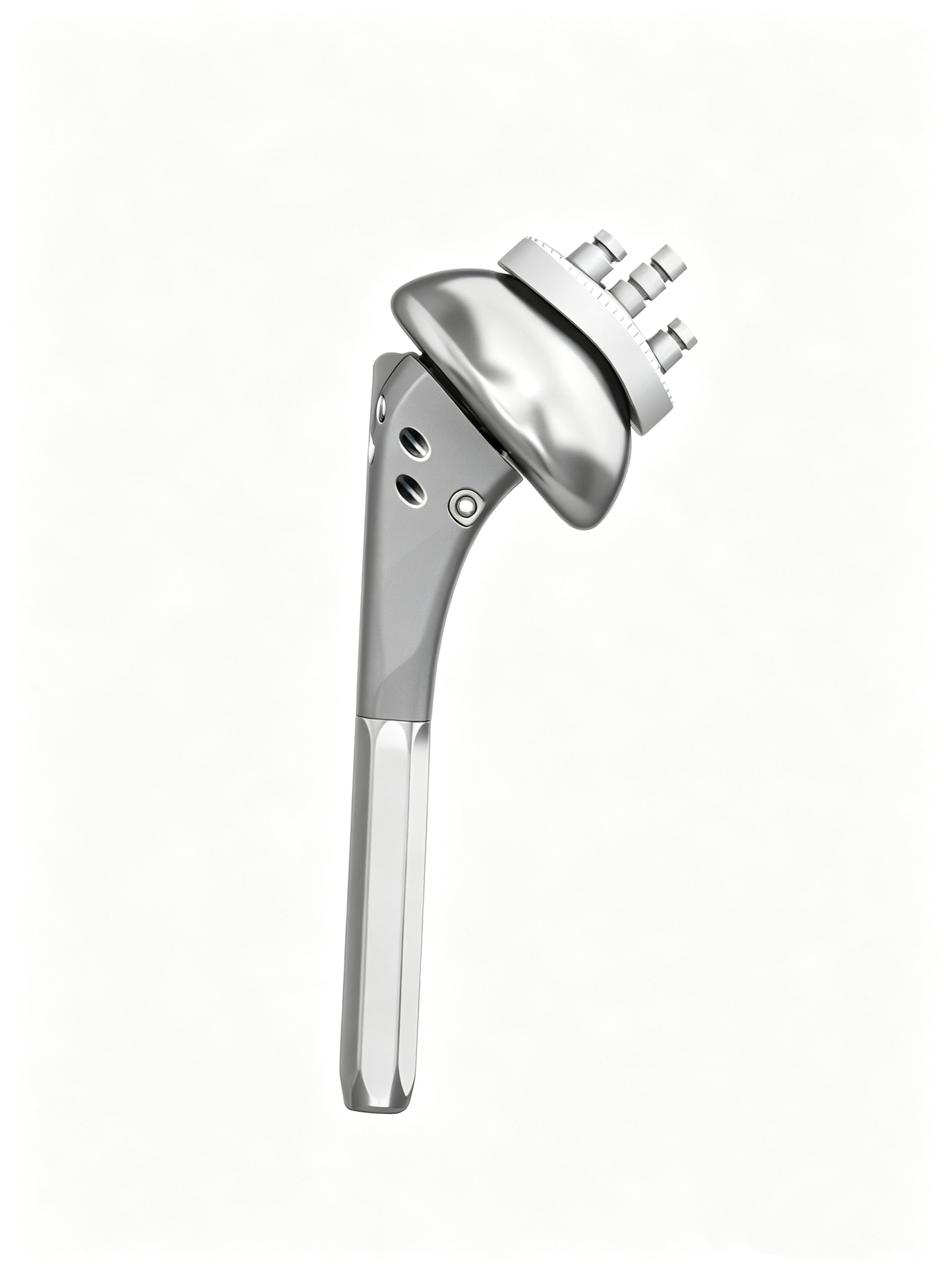
Features of Angel Shoulder Replacement System

•The Asymmetrically fratures stem designed anterolateral wing: located at the fracture line, does not affect the reduction of the bone fragments, guides the correct reduction of the bone fragments, supports the large and small tuberosity bone fragments, facilitates the fixation of the bone fragments, guides the installation direction of the prosthesis, and determines the posterior tilt angle of the prosthesis.
•The Humeral Stem Platform Design with Spherical ConnectionInterface Enables seamless conversion to anatomic or reverse shoulder akhroplasty without stem removal. Allows intraoperative adjustment of prosthetic anatomical parameters.
•The glenoid component features a downward suspension designand a large-diameter glenosphere.
•The anatomic replicator allows independent adjustment of thehumeral head inclination by +/-7.5°, resulting in a neck-shaftangle range of 125°-140° and a version range of +/-7.5°.

Indication of Angel Shoulder Replacement System

•Primary Osteoarthritis (glenohumeral joint) with an intact, functioning rotator cuff.
•Rheumatoid Arthritis without significant rotator cuff erosion or deficiency.
•Post-Traumatic Arthritis (following previous fracture or dislocation).
•Avascular Necrosis (AVN) of the humeral head (e.g., post-Corticosteroid use, sickle cell disease, or trauma).
•Failed Hemiarthroplasty (painful previous partial replacement)
•Irreparable Rotator Cuff Tear with Pseudoparalysis (inability to lift the arm actively).
•Rotator Cuff Tear Arthropathy (arthritis combined with massive cuff tear).
•Complex Proximal Humerus Fractures (3-part, 4-part, or fracture-dislocations), especially in elderly patients (>70 years).
•Failed Anatomic Total Shoulder (revision surgery due to cuff failure or loosening).
•Severe Glenohumeral Arthritis with a Deficient Rotator Cuff.

Leave A Message

If you are interested in our products and want to know more details,please leave a message here,we will reply you as soon as we can.

相关产品

致力于康复,双医疗专注于提供高质量、价格合理的产品、快速物流及持续的医生支持。.

Leave A Message

If you are interested in our products and want to know more details,please leave a message here,we will reply you as soon as we can.